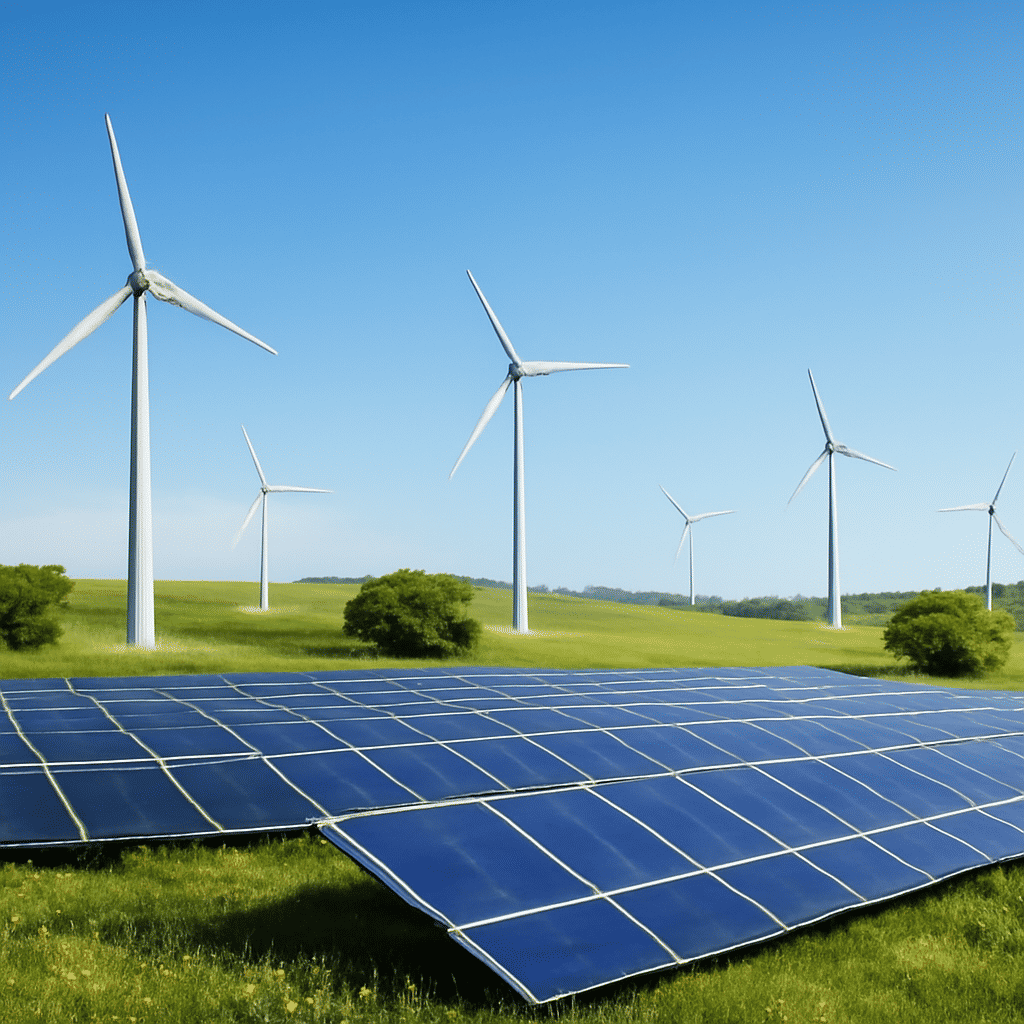
As we step into 2024, the momentum behind sustainable energy innovations continues to surge, with new technologies and strategies paving the way for a greener and more efficient future. From cutting-edge solar advancements to the integration of artificial intelligence in energy management, these developments are not only transforming energy production but also enhancing the way scientific endeavors are pursued across the globe.
One of the most promising areas of sustainable energy innovation in 2024 is solar technology. The development of perovskite solar cells, which began gaining attention a few years ago, has reached new heights. These cells are not only more cost-effective to produce compared to traditional silicon-based cells, but they also offer higher efficiency rates. Recent breakthroughs have enabled perovskite cells to reach stability and performance levels that make them a viable alternative for large-scale solar energy installations. This advancement holds the potential to revolutionize renewable energy systems, particularly in regions with scarce resources for traditional solar panel production.
Wind energy is also experiencing significant improvements with the introduction of vertical axis wind turbines (VAWTs). Unlike traditional horizontal wind turbines, VAWTs are more adaptable to varying wind conditions and can operate efficiently even in urban environments. Their compact design and reduced dependence on wind direction allow for a broader application, from powering large cities to serving remote scientific outposts. These turbines can now be integrated with smart grid technologies, optimizing energy distribution and storage, and transforming how energy is utilized in both developed and developing areas.
Hydrogen fuel technology is another area of sustainable energy innovation that is capturing global attention. In 2024, we are witnessing the scale-up of hydrogen production through water electrolysis powered by renewable energy sources. This clean hydrogen can be stored and used as a fuel source for transportation, thereby reducing dependence on fossil fuels. Additionally, hydrogen fuel cells are being used in conjunction with other renewable sources to provide consistent and reliable energy for various scientific research facilities, fostering a new wave of energy independence and sustainability in data centers and laboratories.
A significant trend in 2024 is the fusion of artificial intelligence (AI) with sustainable energy systems to enhance efficiency and performance. AI-driven energy management systems are capable of analyzing vast amounts of data, predicting energy demands, optimizing resource distribution, and reducing waste. In scientific facilities, these systems can automate energy-consuming processes, ensuring that only the necessary energy is utilized. This approach not only reduces operational costs but also lessens the environmental impact, allowing researchers to focus on their core missions without compromising sustainability.
Moreover, the rise of energy storage solutions such as next-generation batteries and supercapacitors is ensuring that the clean energy harvested is not wasted. Solid-state batteries, with their higher energy densities and safety profiles, are paving the way for more stable and long-lasting energy storage options. These advancements make renewable energy solutions more viable by providing reliable power even when the sun doesn't shine or the wind doesn't blow, thus supporting continuous scientific work in critical areas like environmental monitoring and climate change research.
In conclusion, as 2024 unfolds, the landscape of sustainable energy is marked by remarkable innovations that are propelling us towards a more sustainable and efficient future. By leveraging advancements in solar technology, wind energy, hydrogen fuels, AI, and energy storage, the scientific community is better equipped to tackle global challenges while adhering to principles of sustainability. As these technologies continue to evolve and integrate, they promise to reshape our energy systems, fostering a more resilient and greener world for the generations to come.